
Neoclassical and modern classical music continued to evolve in 2025, with artists expanding the boundaries of composition across piano, orchestral and electronic forms. From intimate solo recordings to large-scale collaborative projects, the year brought a wide range of approaches and ideas.
The Best Neoclassical and Modern Classical Albums of 2025
These albums reflect the diversity of contemporary classical music today. Rooted in minimalism, ambient music and film scoring, they move between restraint and scale, offering different perspectives on what neoclassical music can be.
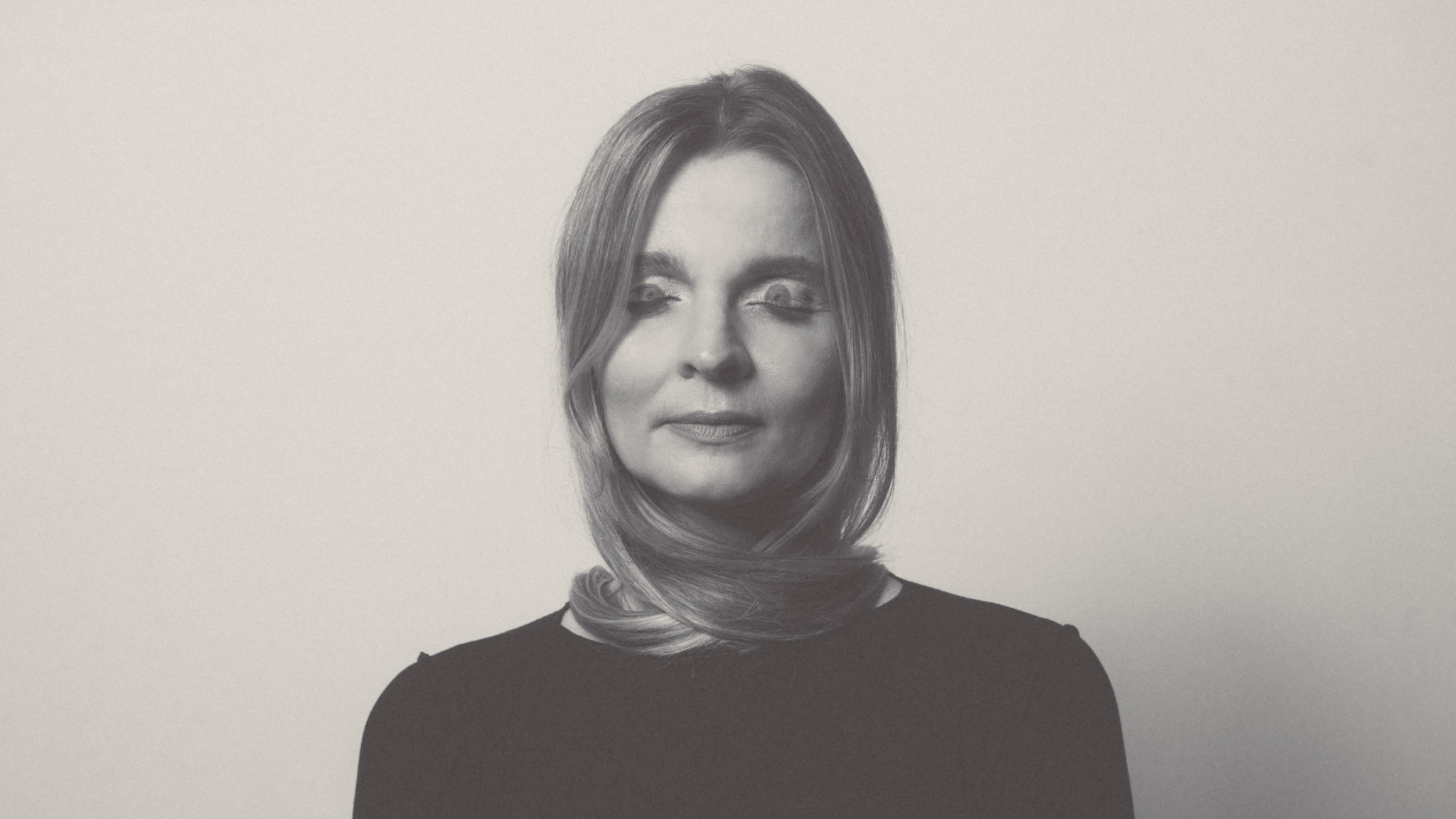
Hildur Guönadóttir: »Where To From«
Guönadottir's return to solo work is defined by intention. Built from melodic fragments she carried with her for years, Where To From doesn't lean into the scale of her film work. Instead, Hildur pares everything down to its essential gestures. The result is a record that deepens her musical language while also expanding it outward. An absolute feast for fans.
Ölafur Arnalds & Talos: »A Dawning«
Originally conceived as a collaboration between Arnalds and the late Eoin French (Tálos), A Dawning reads as a work of friendship, conversation and remembrance. It's luminous, somber and perfect in its pacing.
Hania Rani: »Non Fiction – Piano Concerto in Four Movements«
Rani's first concerto signals a major step in her evolution. She brings her minimalist vocabulary into a full orchestral environment without losing its sense of intimacy, allowing motifs to shift between the piano and ensemble as equals. Non Fiction - Piano Concerto in Four Movements is one of the most ambitious neoclassical statements of the year.
Snorri Hallgrimsson: »The Importance of Birds«
Hallgrimsson's simplicity is what makes The Importance of Birds so compelling. The album's emotional tone remains steady throughout, offering a resonant reflection on transience and connection.
Joe Hisaishi: »Joe Hisaishi Conducts«
Rather than treating this project as a nostalgic showcase, Hisaishi approaches it with a conductor's clarity. Familiar themes are reconsidered rather than reproduced.Joe Hisaishi Conducts is a reflective exercise of a composer examining his own material with distance.
Ludovico Einaudi: »The Summer Portraits«
Inspired by memories of his childhood, The Summer Portraits leans into Einaudi's gift for atmosphere. It's an easy album to spend time with, a reflective record, one that values mood and recollection over big statement.
Balmorhea: »The Trap«
What makes The Trap compelling to us is how deliberately it was made. Writing from the script, not the finished film, let Balmorhea think in terms of character and tension rather than scene timing. The music stays true to their calming style even when the drama intensifies. The album feels unified, considered, and comfortable sitting on its own, not just serving the image.
Victor Le Masne: »Ravel Recomposed«
In Ravel Recomposed Victor Le Masne approaches Ravel by reworking familiar pieces and probing their internal logic. His recompositions shift emphasis, texture, and pace without disrupting Ravel's underlying structure, creating a dialogue with the originals rather than a decorative overlay.
Max Richter: »SLEEP Circle«
Richter revisits the world of SLEEP with a more distilled sense of form. SLEEP Circle reduces the scale of the earlier project to its essentials, focusing on continuity and proportion. It's a refinement of the original rather than an extension.
Discover More Neoclassical Music
You can also discover more from artists such as Hildur Guðnadóttir, Max Richter and Ólafur Arnalds.