
Childhood Memories and the Sound of mirador
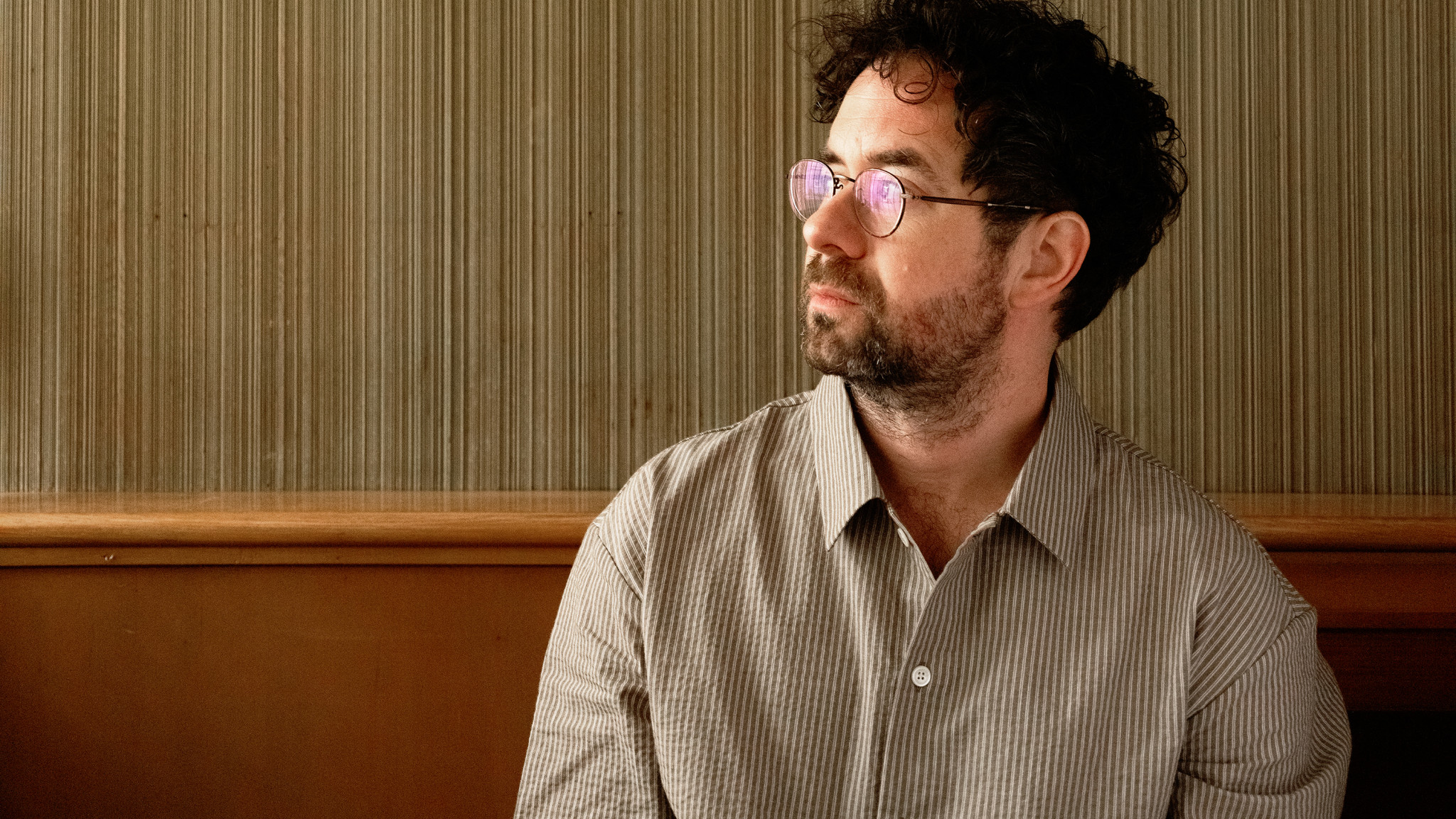
For Jean-Michel Blais, mirador is a place as much as it is an album. The title refers to an imaginary hideaway from his childhood, when he was growing up in a small agricultural town between Montréal and Québec. There, he found common ground with friends who shared his interest in art and culture. Those early experiences helped shape the world of the album.
mirador brings together personal memories and musical influences from different places and periods. Choir, piano and strings sit alongside Andean instruments, creating a sound that moves between musical traditions without settling into one particular style.
Blais’ route towards this approach developed over time. While living in Berlin, he worked in a café called Ungeheuer and performed in smaller venues, developing an electronic sound influenced by the city’s music scene. Gradually, he became more interested in making music that reflected his own background in Montréal, drawing on a broader range of cultural influences.
Bridging Tradition
The album’s arrangements took shape through an open creative process with producer Devon Bate. Jean-Michel initially approached some of the material with more purist ideas, but found that these limited its possibilities. Bringing in voices, strings and traditional instruments opened up the compositions. The music of Argentine composer Ariel Ramírez, particularly Misa Criolla, provided an important reference for combining classical and traditional elements.
Musical history also informs the album’s titles and structures. Rather than quoting existing works directly, Jean-Michel uses musical forms as points of departure. kyrie, for instance, draws on memories of singing in a choir as a child, as well as his later experience at a residency with Arvo Pärt. The piece moves away from its Christian context to explore repetition and a sense of the sacred. Elsewhere, pavane provides a framework for reinterpretation rather than direct quotation.
Music, Memory and Visual Imagination
The album’s visual identity draws on the same interest in childhood and imagination. Its accompanying video takes inspiration from the Brothers Grimm fairy tale The Frog King, telling its story from a child’s perspective. The album cover also features a child rather than the artist, returning to the memories that inform the project.
Blais is currently developing new ideas during an artist residency in Scotland, where he is returning to more minimalist sounds. With mirador, he brings together influences from different stages of his life, allowing personal memories and musical traditions to meet in a collection of compositions shaped by his own perspective.
Listen to mirador now: mkx.lnk.to/mirador