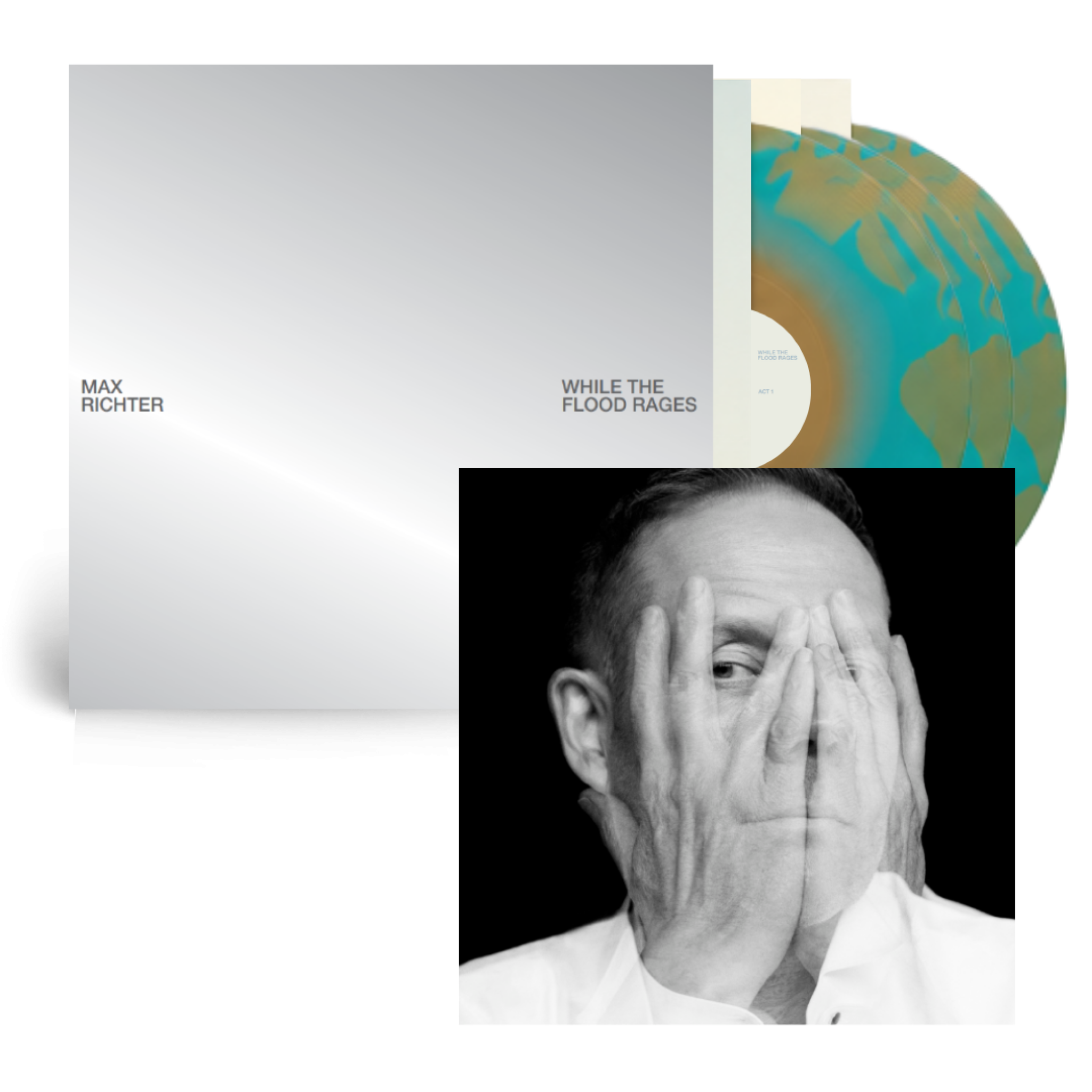
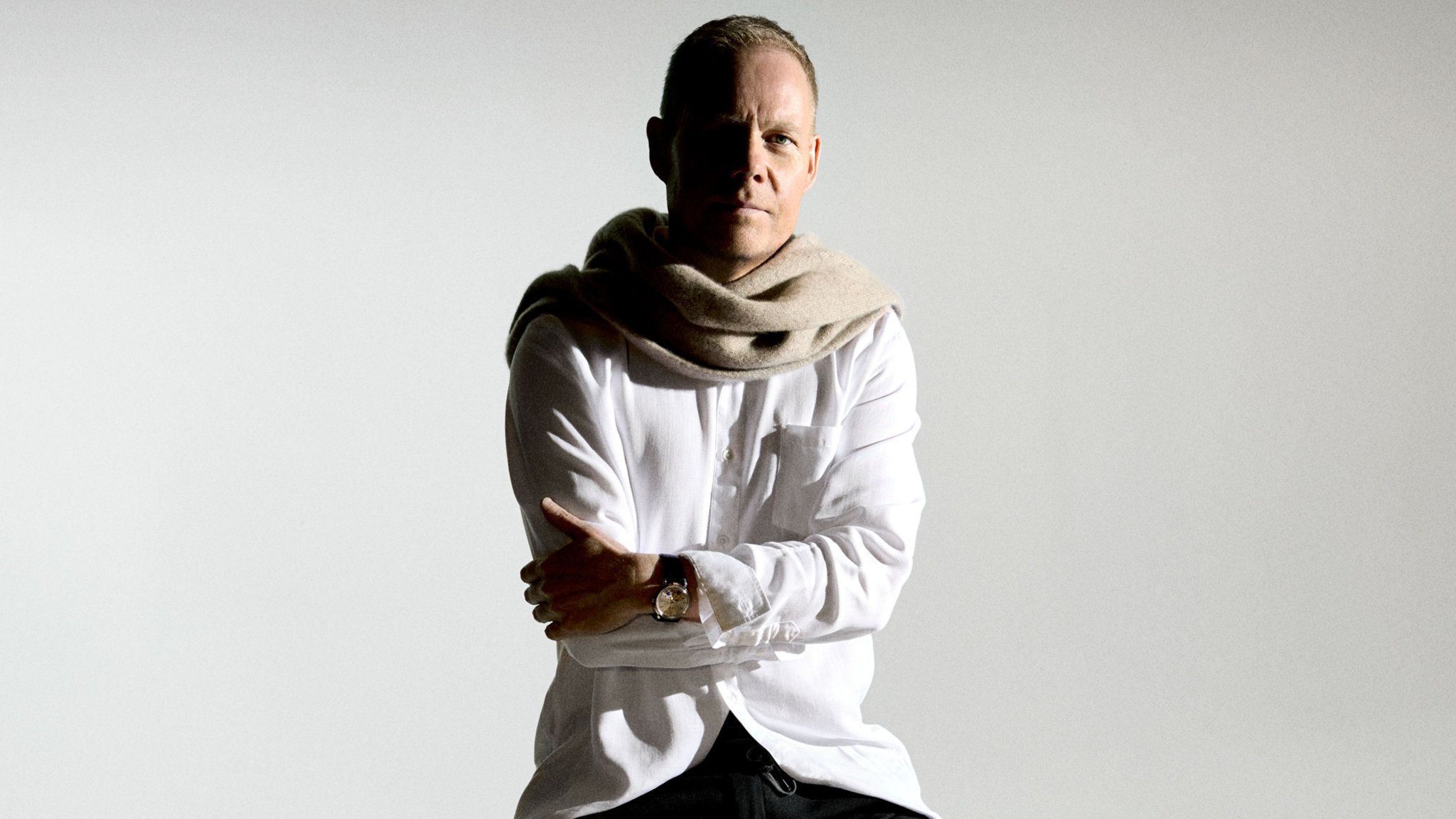
For his latest ballet collaboration, British-German composer Max Richter immersed himself in Margaret Atwood’s dystopian MaddAddam trilogy alongside Wayne McGregor, the in-residence choreographer at London’s Royal Ballet. Having worked together previously on Infra and Woolf Works, the pair were no strangers to each other, but Atwood’s works - comprising Oryx and Crake, The Year of the Flood and MaddAddam, and spanning ecological collapse, technological acceleration and pandemics—was thematically a very different beast.
The resultant production premiered in 2024, having been held up, somewhat ironically, by an actual pandemic. “It was quite strange,” says Richter.
“We were making this project based on a book that featured a pandemic and suddenly we were in the middle of a real one. Everything paused for a couple of years before eventually coming back but it felt very connected to the moment.”
The three novels spawned a three-act ballet, each act drawing on one of the books, with the diversity of the works naturally prompting a score that’s typically poignant but also more varied and challenging than usual. “What’s amazing about the novels is how multidimensional they are,” points out Richter. “There’s sci-fi, thriller, comedy, drama, and deeply emotional storytelling all woven together. I wanted the music to embrace that same richness.”
Rather than make While The Flood Rages a three-part album, Richter dismantled and reshaped the ballet material, treating it as a separate artistic work by distilling its essence into an hour-long album. The fifteen compositions move restlessly between orchestral writing, solo instrumentals, electronics, choral music and sounds drawn from the technological world. While it’s an engaging and poignant listen overall, it’s also frightening, chaotic and strangely intimate.
“There’s music on the record that isn’t in the ballet, and there are things in the ballet that aren’t on the record because they served a specific function on stage,” explains Richter.
“The album became a kind of parallel text. A different route to the same destination, using only sound.”
Each composition inhabits its own sonic world, though some seem to contain multiple mini-universes within; all are meticulously conceived and immaculately executed, as one would expect. Opening track “Wave After Wave,” for example, begins with something that sounds like a heartbeat but is, in fact, a processed recording of the ocean. “The ballet opens on a beach,” explains Richter, “and I kept thinking about the sea as this ancient, elemental force. There’s also so much physical peril in the story. People are constantly existing on the edge between life and death, so the heartbeat felt fundamental to the psychodrama of the piece.”
The most extreme point on the album is The City Was A Chaos, in which orchestra and electronics collide, with fragmented musical layers operating in different time signatures and sounds rushing by before they can be properly absorbed. “It’s deliberately overwhelming,” says Richter. “You can’t really process all of it at once. Things just fly past you. It’s about overload.” Equally brutal is the hard-nosed “Data Ballistics”, whose violent drum sounds are created from manipulated recordings of gunfire and set against hymn-like choral writing and fractured electronic textures.
Some of the electronic sounds on the album come from a curious source, having been recorded around Richter’s studio with a listening device designed to record some of the electromagnetic activity generated by the technology surrounding them. “We went around recording all these hidden electronic sounds and built a palette from them,” explains Richter. “That fitted neatly with one of Atwood’s central concerns: the unchecked acceleration of technology and the systems built around it. Part of Atwood’s novels is a critique of techno-capitalism, this sense of systems accelerating until they collapse. I wanted that instability embedded directly into the musical language.”
At the other end of the emotional scale is the title track, which Richter describes as “like the eye of the storm. There’s all this societal chaos and history unfolding around it, but at the centre is something quiet, intimate, and deeply human. That felt very important to me because the novels are about history happening in real time. We’ve all lived through things like COVID or 9/11, events that will be written about in hundreds of years. But even during those moments, people are still making tea for each other, still being decent to one another. Those small acts of tenderness matter.
A more pastoral air can be discerned in Tell The Bees, which is centred on the God’s Gardeners community in Atwood’s novels and draws on Richter’s affection for folk records such as Joni Mitchell’s Court and Spark, and a more soothing aesthetic is repeated in songs such as “Quiet”, which shares an optimistic piano refrain with the equally delightful “Sweet Air” as well as the first single from the album, “Now We Can Sing,” which takes its title directly from Atwood’s text and refers to the engineered Crakers, who have been designed to replace humanity.
“There’s a line about these engineered beings being given extraordinary voices because without song they would be like stones,” comments Richter about the single.
“I found that incredibly moving. It speaks to music’s ability to connect people and create community. It’s about reaching the future by letting go of the past. You can’t drag the old world into the future unchanged.”
Would he say that the trilogy—and his album—contain some hopeful messages in terms of our own chaotic and fragile world today?
“The ending of the project is hopeful, but not in the conventional sense. It’s not about humanity overcoming difficulty and carrying on as normal. It’s about transformation. Humanity becomes something else, and the world becomes something else. One of the things I love about music is that it creates space to reflect and think. This project is about looking at the world we’ve made and asking where it’s going. How should we live if we want a future worth living in, not just for ourselves but for future generations?”
Words by Paul Sullivan